
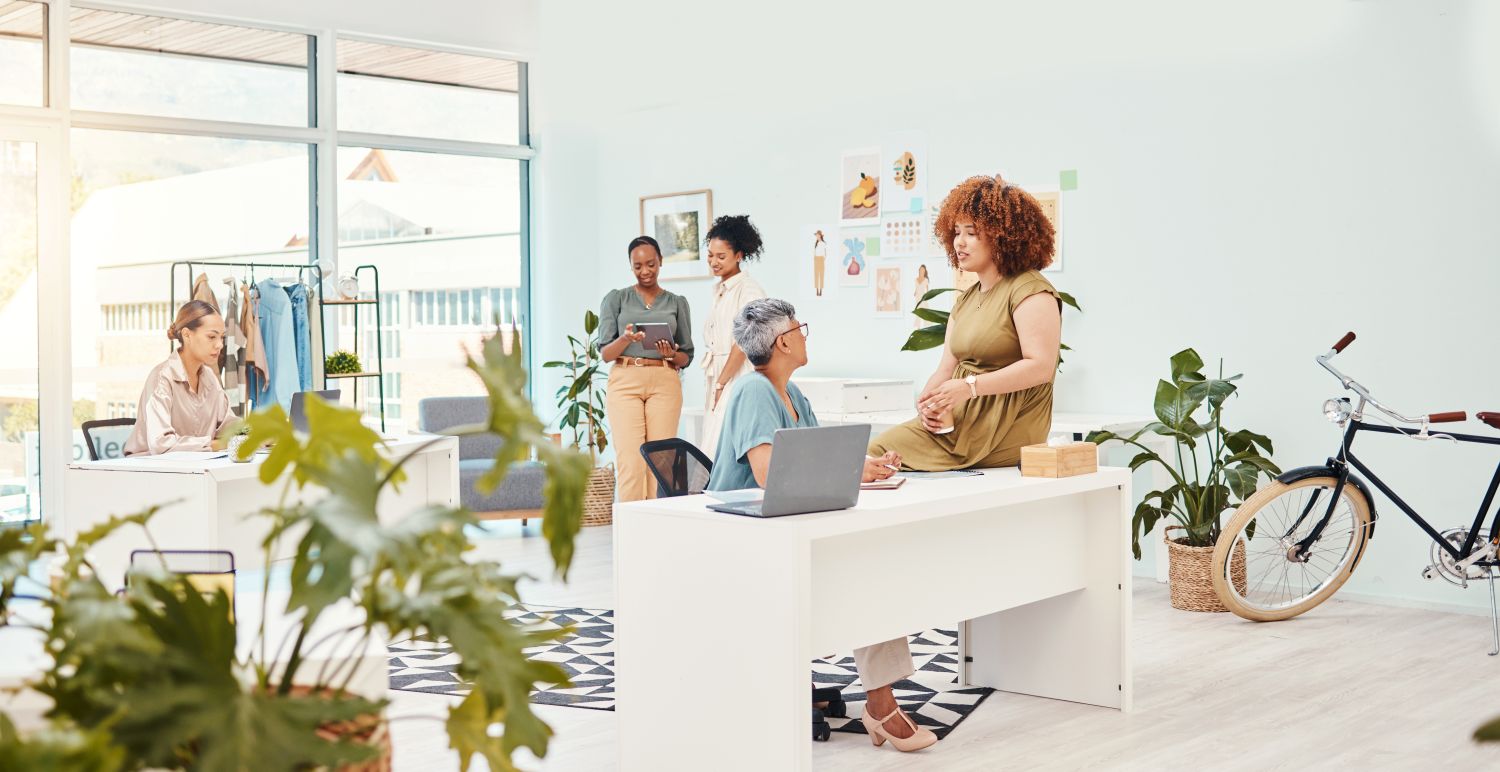
Creating an optimal office environment is essential for enhancing productivity and fostering collaboration among team members. With a variety of design styles available, including minimalist, industrial, and eco-friendly options, it is important to comprehend the distinctive features and advantages that each style presents. This guide delineates the key factors to consider when selecting an office design, offers strategies for maximizing productivity, and examines methods to personalize the workspace. By transforming the office into a sanctuary of inspiration and efficiency, organizations can significantly improve their overall performance and employee satisfaction.
Choosing the Right Office Design
Selecting the appropriate office design is essential for cultivating a productive and engaging work environment that promotes team collaboration, enhances productivity, and accurately reflects the organization’s identity.
Several factors, including workspace aesthetics, ergonomic furniture, and the availability of natural light, play a significant role in influencing employee well-being and job satisfaction.
Moreover, the decision between an open office layout and a more traditional configuration can substantially impact team dynamics and the overall office culture.
An effectively designed office, often referred to as an “Office Oasis,” should prioritize comfort, functionality, and sustainability while taking into account the needs of employees to foster a positive work environment.
Factors to Consider
When evaluating the factors that influence office design, it is imperative to prioritize productivity and team collaboration, as these elements have a direct impact on employee engagement and retention.
The selection of ergonomic furniture and the integration of biophilic design elements can significantly enhance comfort and contribute to a green office design that promotes a healthy work environment.
Furthermore, the implementation of flexible workspaces and workspace zoning facilitates personalized workstations and collaborative areas, accommodating diverse working styles and preferences.
Meticulous space planning is crucial in minimizing distractions, thereby enabling employees to focus more effectively on their tasks.
By establishing designated distraction-free zones, teams can retreat to quiet areas for concentrated work, which fosters creativity and innovation.
Techniques for noise reduction, such as soundproof booths or acoustic panels, help maintain a tranquil atmosphere that further promotes employee wellbeing.
Additionally, the incorporation of natural light is essential, as it not only reduces eye strain but also enhances mood and energy levels.
These sustainable practices contribute to cultivating a more energized workforce, ultimately benefiting the organization’s productivity and overall success.
The Minimalist Office
A minimalist office design embodies simplicity by prioritizing a streamlined workspace that fosters concentration and efficiency. This approach to decor emphasizes functionality and organization, minimizing clutter and thereby enhancing both office efficiency and space utilization.
Thoughtfully integrated design elements promote a sense of calm and clarity, ensuring that the workspace is not only aesthetically pleasing but also conducive to a positive work environment where employees can excel.
Key Features and Benefits
Key features of a minimalist office include the utilization of ergonomic furniture, a focus on workspace aesthetics, and the incorporation of elements that enhance employee well-being and productivity.
By integrating minimalist decor, organizations can cultivate environments that promote mindfulness at work, thereby reducing distractions and enhancing focus. This design philosophy advocates for a deliberate approach to space utilization, ensuring that each element serves a defined purpose and contributes to a positive work environment.
The advantages of such a design extend beyond mere aesthetics, significantly impacting employee morale and job satisfaction. When employees are situated in an uncluttered space that emphasizes comfort and functionality, they are more likely to experience an improved work-life balance.
Furthermore, the incorporation of sustainable materials and energy-efficient lighting within the minimalist framework not only supports environmental sustainability but also elevates the overall ambiance, making employees feel more valued. Such intentional design fosters professional growth, encouraging teams to thrive in an atmosphere that promotes clarity, creativity, and collaboration.
The Industrial Office
The industrial office design is influenced by urban environments, characterized by the utilization of raw materials, exposed structures, and an emphasis on functionality that embodies the industrial chic aesthetic.
This design methodology not only enhances the visual appeal of the workspace but also promotes collaborative areas that encourage team productivity.
By incorporating customizable workstations and engaging industrial elements, organizations can establish environments that reflect their unique identity while simultaneously fostering a positive work culture.
Incorporating Industrial Elements
Incorporating industrial elements into office aesthetics involves the strategic integration of raw materials such as metal and wood with eco-conscious decor and advanced office solutions that leverage cutting-edge technology. This combination not only enhances the overall design but also cultivates a work environment conducive to creativity and collaboration among employees.
By prioritizing innovative design and sustainable practices, organizations can embody a modern industrial aesthetic while maintaining functionality and comfort.
The integration of components such as acoustic panels plays a significant role in establishing distraction-free zones, enabling focused work without the interference of background noise. Additionally, energy-efficient lighting can further enhance this experience by providing optimal illumination that supports a variety of tasks while adhering to sustainability principles.
Employing zoning techniques allows for the creation of distinct areas tailored for specific activities, ensuring that spaces for brainstorming, quiet work, and meetings are clearly defined.
Collectively, these elements not only enhance workplace innovation but also promote greater employee engagement, ultimately leading to increased productivity and job satisfaction.
The Eco-Friendly Office
An eco-friendly office design is founded on sustainable practices and principles of green office design, which seek to establish a healthy workspace while minimizing environmental impact. By prioritizing eco-consciousness, organizations can improve employee well-being and cultivate a culture of sustainability.
The incorporation of elements such as energy-efficient lighting, sustainable materials, and indoor plants contributes not only to a positive work environment but also promotes a heightened sense of responsibility towards the planet.
Sustainable Design and Green Practices
Sustainable design and green practices in the office encompass the use of sustainable materials and energy-efficient lighting to establish a healthy work environment that promotes employee wellness. Biophilic design, which integrates natural elements and enhances the connection between employees and nature, further enriches this approach.
By aligning workplace innovation with sustainability principles, organizations can cultivate a culture of responsibility while simultaneously enhancing employee satisfaction and productivity.
The adoption of recycled materials not only reduces waste but also minimizes the overall environmental footprint of the office space. Implementing smart office solutions, such as energy management systems and automated lighting, facilitates task organization by creating an efficient and comfortable workspace that adapts to the needs of employees throughout the day.
This emphasis on employee comfort contributes to higher morale and performance, establishing a harmonious balance between innovative practices and ecological responsibility. Ultimately, these strategies benefit the planet while fostering a dynamic and engaged workforce.
Creating a Productive Workspace
Establishing a productive workspace is vital for enhancing work productivity and achieving a harmonious work-life balance.
The implementation of various productivity strategies, including effective office organization and the use of ergonomic furniture, can considerably improve focus and overall job performance.
A well-designed workspace that addresses individual needs promotes motivation and engagement, ultimately resulting in higher levels of employee satisfaction.
Design Tips for Boosting Productivity
To enhance productivity, it is advisable to implement design strategies that prioritize office organization and the incorporation of ergonomic furniture, thereby creating comfortable and adaptable workspaces.
Establishing distraction-free zones and ensuring appropriate zoning within the office layout can significantly improve focus and reduce interruptions, ultimately leading to increased work efficiency. By emphasizing workplace innovation, organizations can foster an environment that promotes high performance.
Plus the strategic arrangement of furniture, the inclusion of natural light is crucial. Large windows that allow sunlight to enter can elevate morale and energize teams, which is essential for cultivating a positive office culture.
The integration of technology through smart boards or conferencing tools can streamline communication processes, facilitating more seamless collaboration among team members.
A thoughtfully designed combination of open spaces and intimate nooks can enhance team dynamics and promote spontaneous brainstorming sessions.
By addressing these key elements, organizations can not only support employee motivation but also improve the overall well-being of their workforce.
Collaborative Spaces
Collaborative spaces are specifically designed to enhance team collaboration and improve productivity by promoting open communication and interaction among employees.
These flexible work environments incorporate a range of design elements that encourage creativity and innovation, thereby contributing to a positive organizational culture.
By integrating effective communication tools and strategically planning collaborative areas, businesses can strengthen team dynamics and enhance overall performance.
Maximizing Teamwork and Communication
Maximizing teamwork and communication within collaborative environments necessitates the implementation of effective communication tools and innovative design strategies that accommodate diverse interaction styles. These approaches not only enhance office efficiency but also promote positive team dynamics, ultimately leading to increased engagement and productivity among employees.
By establishing environments conducive to collaboration, organizations can effectively leverage the varied strengths of their teams.
In particular, the utilization of multifunctional spaces that can be easily adapted for a range of activities-such as brainstorming sessions, informal meetings, or focused work-plays a critical role in this strategy. This dynamic use of space optimizes office utilization and aligns with the principles of office ergonomics, ensuring comfort while fostering creativity.
Thoughtfully designed environments significantly contribute to employee retention by cultivating a sense of belonging and facilitating open communication among team members. Ultimately, the interplay between spatial design and team synergy creates an ecosystem where innovation can thrive.
Personalizing the Workspace
Personalizing the workspace is a vital component in enhancing employee engagement and fostering a sense of ownership over one’s environment.
By permitting customizable workstations that reflect individual preferences and the overall office identity, organizations can improve the aesthetic appeal of the workspace while simultaneously promoting creativity and comfort.
This level of personalization plays a significant role in cultivating a positive work environment, wherein employees feel valued and motivated.
Incorporating Personal Touches
Incorporating personal elements into the workspace can significantly enhance the overall aesthetics while contributing to employee well-being and promoting mindfulness at work. Allowing employees to bring items that reflect their personalities-such as photographs, plants, or artwork-creates a more inviting and creative environment that encourages self-expression and comfort. This approach ultimately leads to increased job satisfaction and productivity.
It is essential to strike a balance between personalization and maintaining a professional decorum that aligns with the organization’s culture. A cohesive design can unify the workspace while still accommodating individuality, thereby creating an environment that enhances motivation and visual comfort.
By thoughtfully integrating personal elements with a harmonious color palette and tasteful furnishings, employees feel respected and valued, fostering a sense of belonging. This combination not only enhances the aesthetic quality of the office but also cultivates a motivated and engaged workforce, driving success and innovation within the organization.